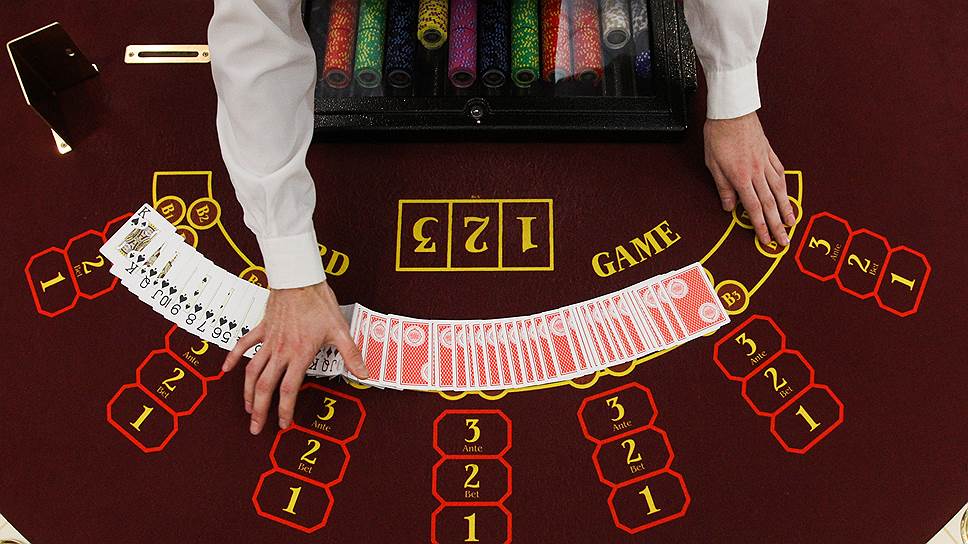
The allure of the casino environment
The casino environment is meticulously designed to be enticing and immersive, captivating visitors the moment they enter. Bright lights, engaging sounds, and vibrant colors stimulate the senses and create a feeling of excitement and anticipation. This sensory overload can lead to a state of euphoria that encourages players to engage more deeply with games, often leading them to lose track of time and money. Many players seeking a thrilling experience often turn to options like visa fast withdrawal casino platforms that enhance their gaming adventure, making it easy to stay longer than initially planned. The combination of these factors creates an atmosphere that feels welcoming yet exhilarating, almost enchanting in nature.

Many casinos also employ elements of psychology to enhance the gaming experience. For instance, the layout of a casino is typically compact, encouraging players to hop from one game to another with ease. This creates a sense of urgency and competition, as people feel compelled to try their luck at various machines or tables. Additionally, the absence of clocks and windows contributes to a feeling of timelessness, allowing players to immerse themselves in the gaming experience without the distraction of the outside world. This carefully curated environment is designed to keep players engaged for extended periods, often leading to increased betting and spending.
The social aspect of casinos further enhances their allure. Many people are drawn to the communal experience of gambling, where they can engage with others in high-energy environments. This social interaction can amplify the thrill of playing, creating a euphoric bond among players. The shared anticipation of wins and losses fosters a sense of camaraderie, often leading people to remain in the casino longer than they intended as they indulge in the shared excitement and encouragement of fellow gamblers. This social dynamic not only enhances the enjoyment of the games but also reinforces the psychological pull of the casino experience.
The psychological mechanisms at play
Gambling is deeply rooted in various psychological mechanisms that can affect decision-making and behaviors. One of the most significant is the concept of variable rewards, where players experience intermittent reinforcement that can create addictive behaviors. When a player wins unexpectedly after a series of losses, the brain releases dopamine, a chemical associated with pleasure and reward. This spike in dopamine can condition the brain to seek out that exhilarating experience repeatedly, leading to a compulsion to gamble despite potential negative consequences. The unpredictability of rewards heightens the excitement, making it difficult for players to walk away.
Another psychological mechanism at work is cognitive distortion, where players may overestimate their chances of winning or underestimate the risks involved. For example, some gamblers might believe they have a “lucky” strategy that defies the statistical odds, leading them to continue playing even when the house edge is against them. This flawed thinking can perpetuate a cycle of gambling and loss, ultimately causing players to chase their losses in hopes of a big win that frequently eludes them. The cognitive biases present in gambling can trap players in a cycle of unrealistic expectations and emotional decision-making.
Lastly, social identity theory plays a role in how individuals engage with gambling. Many gamblers derive a sense of identity from their participation in gaming culture, which can lead to a desire to align with specific groups or communities. This affiliation can bolster feelings of belonging and camaraderie, but it can also reinforce risky gambling behaviors as individuals seek to maintain their status within these groups. The desire to fit in or impress peers can result in excessive gambling, as players feel pressured to keep up with the group’s expectations and norms, exacerbating potential issues around addiction and self-control.
The impact of emotions on gambling behavior
Emotions play a critical role in gambling, influencing not only decisions made at the table but also the overall experience of players. Positive emotions, such as excitement and joy, can often drive gambling behavior as players seek to replicate these feelings. When someone experiences a win, the rush of happiness can create a desire to continue playing, as they associate gambling with elevated emotions. Conversely, negative emotions, such as stress or anxiety, can lead to gambling as a coping mechanism, where individuals try to escape their problems or numb their feelings through the thrill of betting. This duality of emotional influence complicates the gambling experience.
This emotional rollercoaster can cause players to make impulsive decisions, driven by their immediate feelings rather than rational thoughts. For instance, a player who has had a bad day may be more likely to gamble recklessly to alleviate their stress, leading to poor financial choices. Conversely, when a player is on a winning streak, they may become overconfident, risking more than they can afford to lose in hopes of capitalizing on their perceived “hot” hand. This emotional volatility contributes to the cyclical nature of gambling, where highs and lows feed into each other, creating a challenging environment for self-control.
Additionally, the concept of loss aversion amplifies the emotional stakes involved in gambling. People tend to feel losses more intensely than gains of the same amount, making them more likely to chase losses in an attempt to regain what they’ve lost. This psychological quirk can lead to a spiraling effect, where players feel compelled to gamble more in hopes of recovering previous losses, often resulting in greater financial strain. The interplay of emotions and gambling behavior highlights the complexities of the psyche and how it can lead individuals into a web of compulsive gambling, making it essential for players to recognize and manage their emotional responses.
The role of marketing and promotions
Marketing and promotional strategies employed by casinos are designed to exploit psychological triggers that compel individuals to gamble. Welcome bonuses, free spins, and loyalty programs are powerful tools that draw players in by making them feel like they are getting something for nothing. This perception of value can encourage new visitors to take risks they might not otherwise consider, as the potential rewards seem to outweigh the costs. The excitement tied to these promotions often adds an extra layer of anticipation, driving players to engage more with the casino’s offerings and increasing their likelihood of gambling.
Furthermore, the branding of casinos often plays on emotions such as excitement and thrill, aligning their messaging with the experiences that consumers desire. Promotions highlight the lifestyle associated with gambling—luxury, fortune, and exhilaration. This branding can create a powerful connection with potential players, making gambling appear not just a chance to win, but a chance to achieve a lifestyle change. This psychological appeal can overshadow the inherent risks of gambling, leading individuals to engage with games without fully acknowledging the consequences of their actions.
The use of targeted advertising can also magnify the psychological impact of casino promotions. By personalizing marketing messages based on user data, casinos can tailor their communications to resonate with specific audiences, making them more compelling. This approach increases the likelihood that individuals will respond positively to promotions and feel an inclination to visit the casino. Unfortunately, this personalization can sometimes lead to excessive gambling behavior, as it encourages individuals to gamble more frequently in pursuit of the rewards marketed to them, regardless of their financial situation. The consequences of such strategies can lead to increased dependency and potentially destructive gambling habits.
Understanding the risks and seeking help
While the psychology of gambling can explain why individuals engage in betting behaviors, it is crucial to recognize the inherent risks associated with such activities. Many people are at risk of developing gambling addictions due to the psychological mechanisms at play, which can lead to devastating personal and financial consequences. Anxiety, depression, and relationship issues often accompany problem gambling, as individuals struggle to reconcile their behaviors with the reality of their situations. Recognizing these risks is the first step toward making informed and responsible decisions regarding gambling.
Seeking help for gambling-related issues is essential for individuals who find themselves unable to stop or control their behavior. Many resources exist, including therapy, support groups, and hotlines, where individuals can discuss their struggles and gain insight into healthier coping mechanisms. Cognitive-behavioral therapy has proven effective in helping individuals understand their thought patterns and behaviors surrounding gambling, teaching them strategies to alter compulsive habits. It’s vital for those who may be affected by gambling to know that help is available and that they are not alone in their struggle. The journey toward recovery often begins with acknowledging the problem and reaching out for assistance.
Moreover, casinos are increasingly taking steps to promote responsible gambling by implementing measures such as self-exclusion programs, setting limits on play, and providing resources for problem gambling. These efforts are designed to create a safer gambling environment and help reduce the risks associated with excessive gaming. By combining awareness, education, and support, individuals can make more informed choices and enjoy gambling as a form of entertainment without letting it spiral into a detrimental habit. This proactive approach to responsible gaming reflects a growing recognition of the importance of mental health in the context of gambling.